
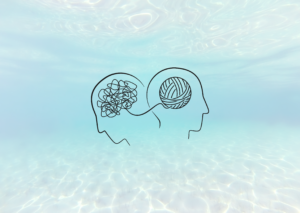
Section 2 – The hidden mechanism nobody sees
This isn't a quick read—it's a complete guide to understanding burnout. Below you'll find the nine chapters we'll explore together, so you know exactly what to expect before you begin.
In this guide
- When Life Loses Its Color: What Burnout Really Feels Like
- The Hidden Mechanism Nobody Sees
- Why Thousands of Small Disappointments Create Burnout (coming soon)
- The Birth of the Role (coming soon)
- The Hidden Ways We Escape Ourselves (coming soon)
- Why Entrepreneurs Are Especially Vulnerable (coming soon)
- Why Vacations Don’t Fix Burnout (coming soon)
- Why Healing Feels So Terrifying (coming soon)
- The Way Back to Feeling Alive (coming soon)
Think about the last time you were genuinely disappointed. Not devastated, just disappointed. Perhaps an average client turned out to exit before the contrast would have been signed. Most disappointments don't seem important enough to remember, yet they leave something behind. Most of the time this something is the feeling of loss. People don’t like to lose thing: clines, loves, success, health, you can continue what can be lost.
After a loss I often hear people say, "I've learned my lesson.” It could be an innocent sentence, but have you ever stopped to wonder what that lesson actually was? Because your subconscious is stop with every single experience you went through observes the conditions and creates conclusions.
Over the years I've noticed something fascinating. The subconscious isn't particularly interested in whether these conclusions are genuine, true or false, it is interested in whether they make the world feel predictable. One of the fundamental aims of the subconscious is to prevent you from the next loss or next traumatic event. So by the time all the conclusions will support avoidance, thus unconsciously life has become run by limiting beliefs based on your previous experiences.
This is where burnout quietly begins. Not because of one painful event, but because every disappointment asks the subconscious the same question:
”What should I expect from life now?”
And your subconscious had been asking this question since the very first disappointment in your life. A small one, maybe you didn’t even remember.
And every time it answers that question, life becomes just a little smaller so more predictable. A little more defined. A little less open. One conclusion doesn't change much, but then another disappointment comes and another.
The subconscious updates its beliefs, what simply becomes the lens through which you start looking at your life. I call these conclusions limiting beliefs which indicates more and more limiting decisions.
”What should I expect from life now?”
And your subconscious had been asking this question since the very first disappointment in your life. A small one, maybe you didn’t even remember.
And every time it answers that question, life becomes just a little smaller so more predictable. A little more defined. A little less open. One conclusion doesn't change much, but then another disappointment comes and another.
The subconscious updates its beliefs, what simply becomes the lens through which you start looking at your life. I call these conclusions limiting beliefs which indicates more and more limiting decisions.
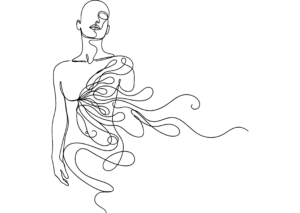
How does a limiting belief created in our life?
A younger version of you experienced pain and quietly decided:
”Let's never end up here again.”
Understandably it was an act of protection. I think that's important to remember, because people are often far too harsh with themselves. They discover a limiting belief and immediately want to get rid of it.
I don’t and I don’t recommend to do this. I prefer to understand why it was created in the first place because every limiting decision once had a purpose. The problem is that the subconscious rarely updates those decisions on its own, but accumulate them. Simply keeps carrying them one by one into tomorrow, then next year, then the next decade.
And here's where things become interesting, those limiting beliefs don't just live quietly in the background, they begin influencing how you experience the world.
The subconscious imperceptibly shapes how we experience reality, it influences what feels safe, who you trust, which opportunities you notice, what risks you avoid, how you interpret another person's behavior.
Tiny decisions, almost invisible, yet taken together, they slowly shape the direction of your life.
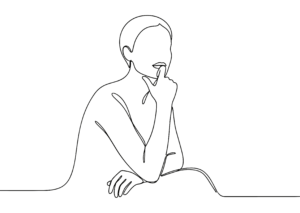
Imagine you've unconsciously concluded that every client eventually becomes difficult. Your next client may be wonderful. But you'll probably become cautious sooner. You'll notice small signs of conflict more quickly and you may avoid honest conversations because you're trying to prevent the very thing you fear. Ironically, that distance can create the tension you hoped to avoid.
This is something I find deeply remarkable about the subconscious.
It isn't trying to make your life smaller or tt isn't trying to make you miserable. It’s only trying to protect you from having to relive emotional pain.
The tragedy is that the very strategy that once protected you can eventually become the thing that limits you. Not because it was wrong, because life kept changing and the conclusions didn’t. So little by little, disappointment stops being something that happens to you. It becomes something you quietly begin expecting. And once expectation changes, everything else starts changing with it.
It isn't trying to make your life smaller or tt isn't trying to make you miserable. It’s only trying to protect you from having to relive emotional pain.